Harvi Gardens: Building and Launching a DTC Gardening Brand
Turning an early product concept into an ecommerce business.

Overview
I helped transform an early gardening-product prototype into a market-ready brand and functioning ecommerce business—shaping the product, audience, positioning, launch strategy, unit economics, and day-to-day operations.
The launch was led through 20nine Ventures by a two-person incubator team working with specialist creative, development, engineering, photography, manufacturing, and fulfillment partners.
Project Snapshot
I served as Brand Manager and incubator lead, with responsibility for product development, brand strategy, product marketing, ecommerce launch, P&L ownership, partner coordination, and ongoing operations. The primary challenge was turning a partially developed physical product into a differentiated and economically viable business for beginner and small-space gardeners. The launch followed a soft-launch and customer-validation period before a broader rollout across Shopify, Amazon, digital marketing, and in-person events.
The Opportunity
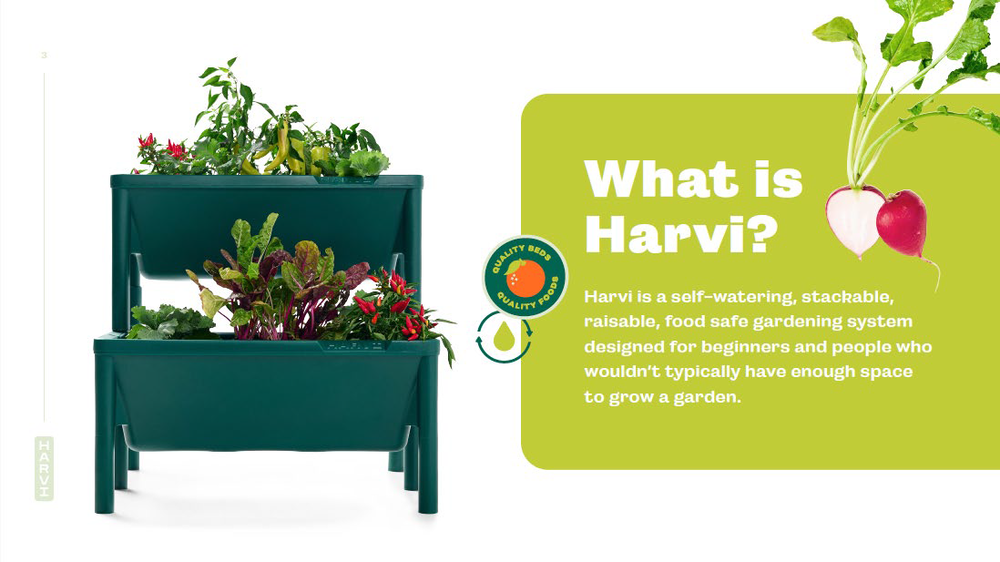
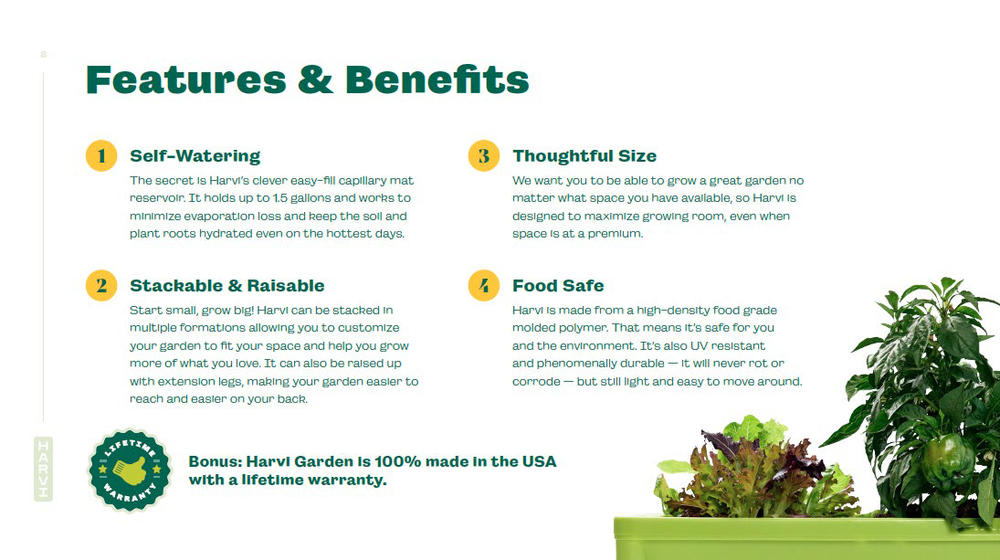
Harvi was a modular, self-watering gardening system designed to make growing food more approachable for people with limited space, experience, or time.
When I became involved, the engineering and product design were approximately 60% complete. Early prototypes existed, but substantial work remained before the product could be sold at scale.
I helped lead decisions across product configurations and components, brand identity and positioning, packaging and instructions, pricing and warranty, manufacturing and fulfillment, and ecommerce and launch strategy.
My role was to connect those workstreams and move the product from prototype to market.
Shaping the Product and Positioning
We combined secondary research, focus groups, and conversations with potential customers to understand the barriers that prevented people from gardening successfully.
Several recurring problems emerged:
- Limited outdoor space
- Lack of gardening knowledge
- Concerns about maintenance and watering
- Difficulty working at ground level
- A belief that gardening required more time or space than customers had
Those findings shaped both the product and its positioning.
Harvi would not be presented simply as another raised garden bed. It would be positioned as an easier entry point into food gardening for beginners and people using patios, balconies, small yards, and other constrained spaces.
Because I was involved in both product and marketing decisions, the offer, brand, and launch strategy developed together rather than as separate workstreams.
Explore the Harvi Brand Guide
Review the product story, positioning, brand personality, visual identity, packaging system, typography, photography direction, and brand expressions developed for the launch.
View Brand GuideI contributed to the research, product strategy, audience definition, positioning, naming, messaging, and creative direction. Final visual design was developed collaboratively with 20nine’s creative team.
Learning Through the Soft Launch
We introduced Harvi at the Philadelphia Flower Show, beginning a soft-launch and customer-validation period before the broader rollout the following spring.
The event allowed us to observe how customers reacted, what questions they asked, which benefits resonated, and who was willing to purchase.
The people who expressed interest were not always the people who converted.
Customer behavior during the event and the following prelaunch period helped us refine:
- The priority audience
- The messaging hierarchy
- Product demonstrations
- Features that required more explanation
- The balance between functional and lifestyle benefits
- The creative direction for the formal launch
The experience reinforced that audience strategy should reflect not only who likes an idea, but who understands its value and is willing to buy.
Leading the Business and Launch
I owned the commercial strategy for Harvi, including the P&L, revenue targets, marketing budget, launch plan, and ongoing business decisions. My responsibilities spanned product and audience research, brand strategy and positioning, pricing and offer development, campaign strategy and creative direction, Shopify and Amazon planning, website and product copy, photography direction, manufacturing and vendor coordination, fulfillment and customer service, and performance reporting and ongoing optimization.
A coordinator supported the project through research, reporting, and coordination with project managers and external partners. Together, we operated as the dedicated incubator team responsible for aligning a larger network of specialists and keeping the business moving forward.
Building the Omnichannel Business
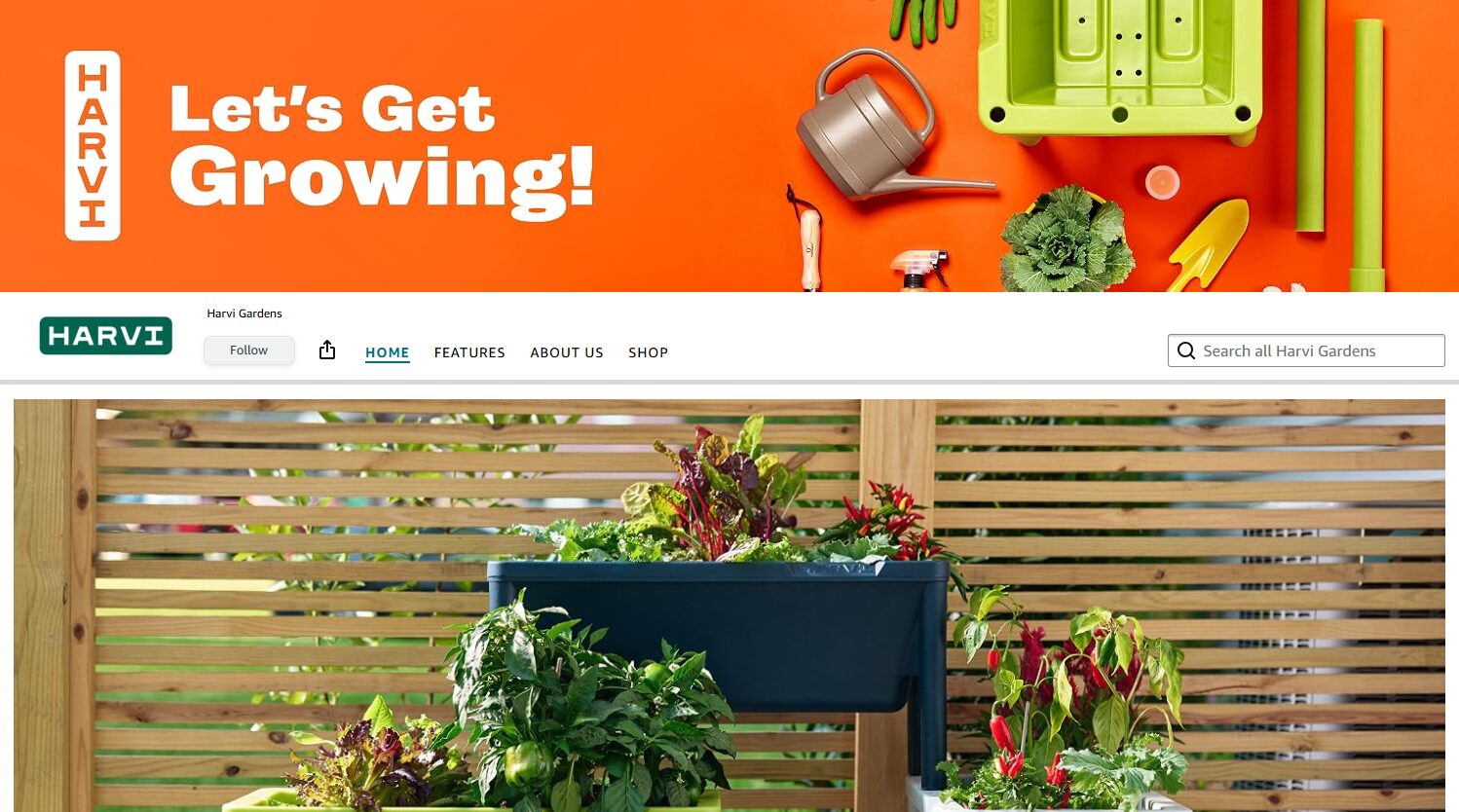
Shopify served as the primary owned brand and education experience. It gave us space to explain an unfamiliar product, demonstrate its configurations, and control the customer journey.
Amazon provided access to marketplace demand, built-in trust, search visibility, and a familiar purchasing environment.
Digital campaigns, organic social content, retargeting, and events supported audience building and demand generation. We also tested affiliate and influencer programs, which produced useful content and learning but did not become scalable acquisition channels during the measured period.
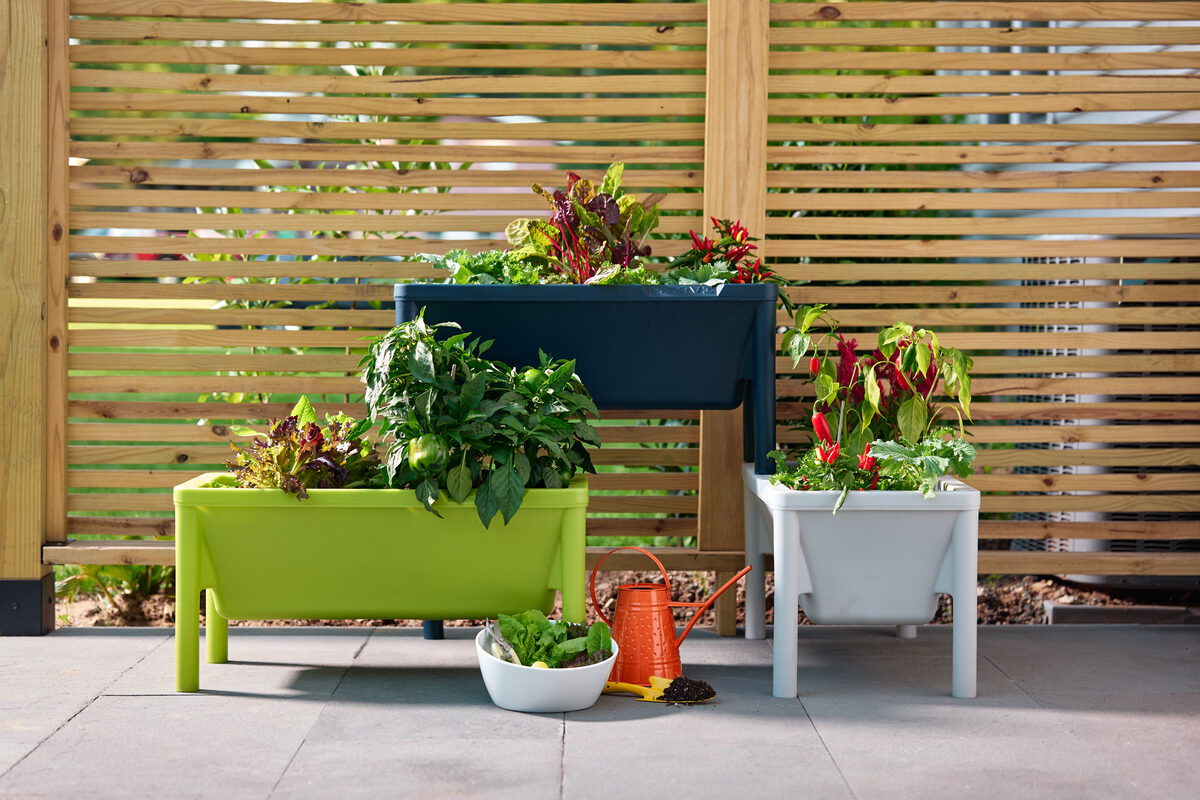
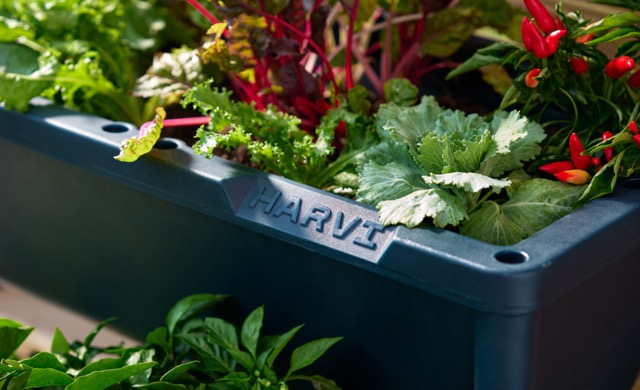
One of the clearest creative findings came from comparing contextual and isolated product imagery. Images showing Harvi in recognizable small-space environments performed better than product-only photography and became some of the brand’s strongest organic content.
Creative learning: Showing the product solving a familiar lifestyle problem was more effective than presenting it in isolation.
Solving the Unit-Economics Challenge
Harvi was relatively expensive within its category, and margins were thinner than we originally hoped. Manufacturing, packaging, fulfillment, and shipping all created pressure.
I worked to reduce costs without compromising product quality by comparing and sourcing components, evaluating manufacturers, negotiating production requirements and pricing, refining packaging decisions, finding more affordable shipping options, and redesigning the fulfillment process.
Shipping was especially difficult because of the product’s size. I ultimately convinced the manufacturer to provide fulfillment services, even though it was not something they typically offered. I also found a discounted shipping provider and developed a process for creating labels and coordinating orders at a lower cost.
These changes did not eliminate the economic challenge, but they reduced costs and made continued operation more practical.
Results
2×+
Formal launch revenue exceeded 2× prelaunch revenue within two months.
~20%
Launch-period sales revenue generated through Amazon without Amazon advertising
~1,000
Instagram followers added during the first six months of active audience building
2 sales channels
Full Shopify storefront and Amazon marketplace launched with distinct strategies, copy, and creative
The project also established the infrastructure of a functioning business: a finished physical product, a defined audience and positioning, a cohesive brand system, Shopify and Amazon sales channels, manufacturing and fulfillment processes, customer-service workflows, and product photography and campaign assets.
Harvi continued to generate modest revenue despite having zero active investment or ongoing marketing support after I left, which I see as a testament to the strength of what was built, although I believe it was eventually closed down in early 2025.
Explore the Original Launch Presentation
Review the original presentation covering the audience hypothesis, Shopify strategy, Amazon storefront, organic and paid marketing, launch event, and initial results.
View Launch PresentationThe original presentation focuses primarily on launch marketing. My broader responsibilities also included product development, P&L ownership, manufacturing, fulfillment, customer service, and ongoing business operations.
What I Learned
The two areas that required the most adjustment were:
Audience fit
The people who expressed interest did not always match the people who purchased.
Product economics
Manufacturing, packaging, fulfillment, and shipping placed significant pressure on pricing and margin.
The experience made me more disciplined about testing customer demand, willingness to pay, unit economics, and channel fit earlier in product development.
It also showed me that a strong launch cannot compensate indefinitely for difficult economics, just as a well-engineered product cannot succeed without clear positioning and a viable route to market.
What This Project Demonstrates
Harvi demonstrates my ability to take a partially developed product and turn it into a market-facing business.
The project required me to combine product marketing, brand strategy, customer research, product development, go-to-market planning, ecommerce strategy, creative direction, P&L ownership, cross-functional leadership, and operational problem-solving.
I did not simply promote a finished product. I helped define what it would become, who it was for, why it mattered, how it would reach customers, and how the resulting business would operate.